The History of Psychedelics in Mental Health Care
Renewed Interest in Psychedelics
Human use of psychedelics dates back thousands of years. Most commonly as part of religious or healing rituals. Over the last decade, there has been a renewed interest in exploring the potential benefits of psychedelic compounds. Researchers have investigated them for the treatment of several common psychiatric conditions. These include depression, anxiety, post-traumatic stress disorder, and substance use disorders. This interest is primarily driven by the fact that many patients do not experience complete resolution of their symptoms with currently available treatments. In this three-part series, we will provide an overview of what psychedelics are, the conditions for which they are being studied, the mechanisms of action, potential risks/safety concerns, and what the future may bring in terms of psychedelics potentially becoming part of the available armamentarium to treat psychiatric illness.
What are psychedelics?

Dried Psilocybe mushrooms on a glass plate. James MacDonald/Bloomberg/Getty Images
The term psychedelics encompasses hundreds of different compounds, many occurring naturally and some derived synthetically. Researchers generally divided into two categories – classic psychedelics and non-classic psychedelics. Classic psychedelics include compounds such as lysergic acid diethylamide (LSD), psilocybin, mescaline, and dimethyltryptamine (DMT, the active component of mescaline). The two best-known non-classic psychedelics are Ketamine and MDMA (ecstasy). All of these compounds, except for Ketamine, are Schedule I drugs as defined by the Controlled Substances Act (CSA). Government regulatory agencies classify Schedule I drugs as considered drugs with a high potential for abuse. They are not currently accepted for medical use in the U.S. The FDA approved Ketamine as a Schedule III drug as an anesthetic in the 1970s. In addition, in 2019, the FDA approved esketamine, a specific form of Ketamine, for treatment-resistant depression.
How Have Mental Health Providers Used to Treat Psychiatric Conditions?
Interest in the potential benefits of psychedelics in modern medicine began in the late 1930s when Swiss chemist Albert Hoffman first synthesized LSD. By the 1950s and into the 1960s, various studies explored the efficacy of LSD and other psychedelics for treating psychiatric illnesses, including anxiety, depression, and substance use disorders. However, the passage of the CSA in 1970 placed psychedelics on Schedule I, causing research funding to dry up and researchers to abandon further studies.
Eventually, the research community renewed its interest in the therapeutic potential of psychedelics renewed. Researchers at Johns Hopkins University were the first to obtain regulatory approval to restart research efforts, publishing the results of their study on the safety and effects of psilocybin in 2006. This study sparked renewed interest in these compounds. Over the last two decades, numerous additional studies have assessed the safety and efficacy of psychedelics, with several compounds currently in various stages of the drug development and approval process.
 Author
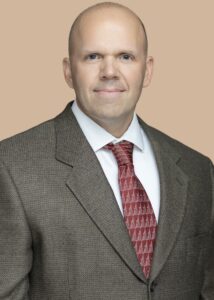
Dr. Adrian Kress has over 20 years of experience as a licensed Psychiatrist in the Army and completed a fellowship in Forensic Psychiatry and Pharmacology before coming to Kentlands Psychotherapy.

It's not an easy time to be a kid. Perhaps it never is, but now it's especially true. Let us help you understand and support your child's needs.

Is your teen struggling with school, in their relationships with friends, with you? Do they seem irritable, withdrawn, unmotivated, sad? Our therapist know how to help.

Are you looking to make some aspect of your otherwise good relationship better? Maybe you’ve tried all the strategies that make sense to you.