
What We Know About Why Social Media Is So Bad for Kids
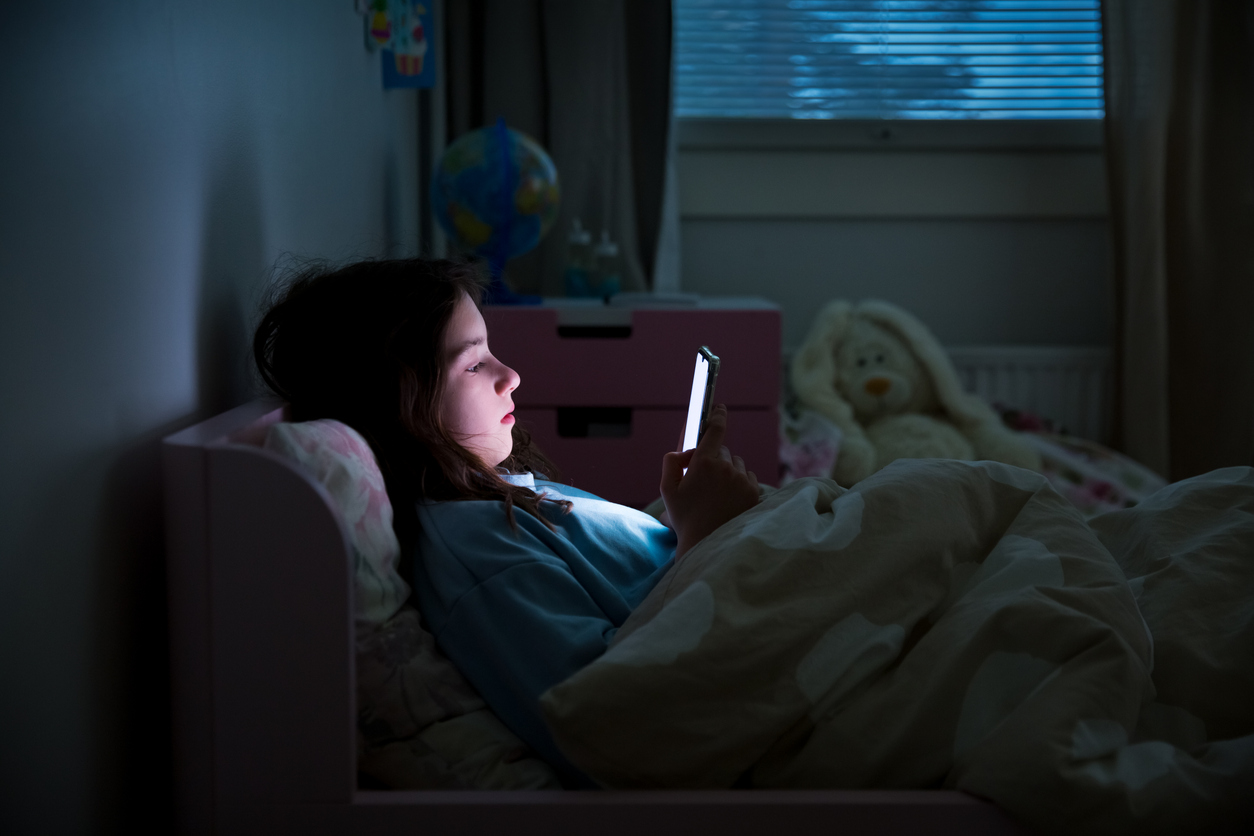 In today’s digital age, social media plays a huge role in shaping how young people see themselves and the world around them. Platforms like Instagram, Snapchat, and TikTok present carefully curated images and videos that often highlight only the best parts of people’s lives. As a result, constant exposure to these unrealistic standards can make teens feel like they are falling behind or not measuring up. When scrolling through endless posts of perfect smiles, exciting trips, and flawless appearances, it becomes easy to compare oneself to others. Consequently, this comparison can lead to feelings of inadequacy, low self-esteem, and anxiety.
Moreover, many young people become trapped in a cycle of seeking validation through likes and comments, which is emotionally exhausting and contributes to a toxic online environment.
At the same time, academic pressure adds another heavy burden. Schools and parents often emphasize high grades, athletic success, and extracurricular involvement as the key to future success. While structure and expectations are important, excessive pressure leaves little room for mistakes or personal growth. As a result, many students experience chronic stress, sleep deprivation, and burnout.
Additionally, fears about school safety, such as political debates surrounding gun violence and the presence of guns in schools, further increase anxiety. Students are expected to focus on learning while also worrying about their personal safety, which creates an unstable environment. In these situations, parents and institutions should take responsibility by creating clear rules, safe spaces, and consistent problem-solving systems rather than leaving young people to manage these fears on their own.
Furthermore, economic uncertainty and environmental concerns deepen these stresses. Many young people worry about the rising cost of college, student debt, pollution, and whether they will find stable jobs in an unpredictable economy. Social media constantly amplifies these fears by spreading news of climate change, job shortages, and political instability. Over time, this nonstop exposure can make the future feel hopeless and out of control. Instead of offering solutions, social media often magnifies fear, creating confusion and anxiety about adulthood and independence.
In addition to these pressures, the lack of strong guidance contributes to a growing sense of instability. While mental health awareness has increased, not every problem can or should be solved through therapy alone. What many young people truly need is structure: clear expectations, accountability, and adults who actively address problems. Parents, schools, and communities must take a more hands-on role by setting boundaries, teaching coping skills, and modeling problem-solving behaviors. Without this structure, young people are left navigating overwhelming issues on their own, which only adds to the toxic environment surrounding them.
Ultimately, social media pressure, academic demands, political uncertainty, economic fears, and environmental concerns are all intertwined. Each issue feeds into the next, creating a cycle of stress that affects today’s generation. When these problems are constantly reinforced online without solutions or guidance, they become even more damaging. Therefore, addressing these challenges requires more than awareness; it requires action, responsibility, and strong support systems. By building structured environments at home, in schools, and within communities, society can help young people feel secure, supported, and capable of facing the future. Only through stability and accountability can this toxic environment begin to change.

It's not an easy time to be a kid. Perhaps it never is, but now it's especially true. Let us help you understand and support your child's needs.

Is your teen struggling with school, in their relationships with friends, with you? Do they seem irritable, withdrawn, unmotivated, sad? Our therapist know how to help.

Are you looking to make some aspect of your otherwise good relationship better? Maybe you’ve tried all the strategies that make sense to you.